How to Keep Squirrels Out of Your Vegetable Garden
Photo by Peter Trimming from Croydon, England, CC BY 2.0, via Wikimedia Commons
Photo by Peter Trimming from Croydon, England, CC BY 2.0, via Wikimedia Commons
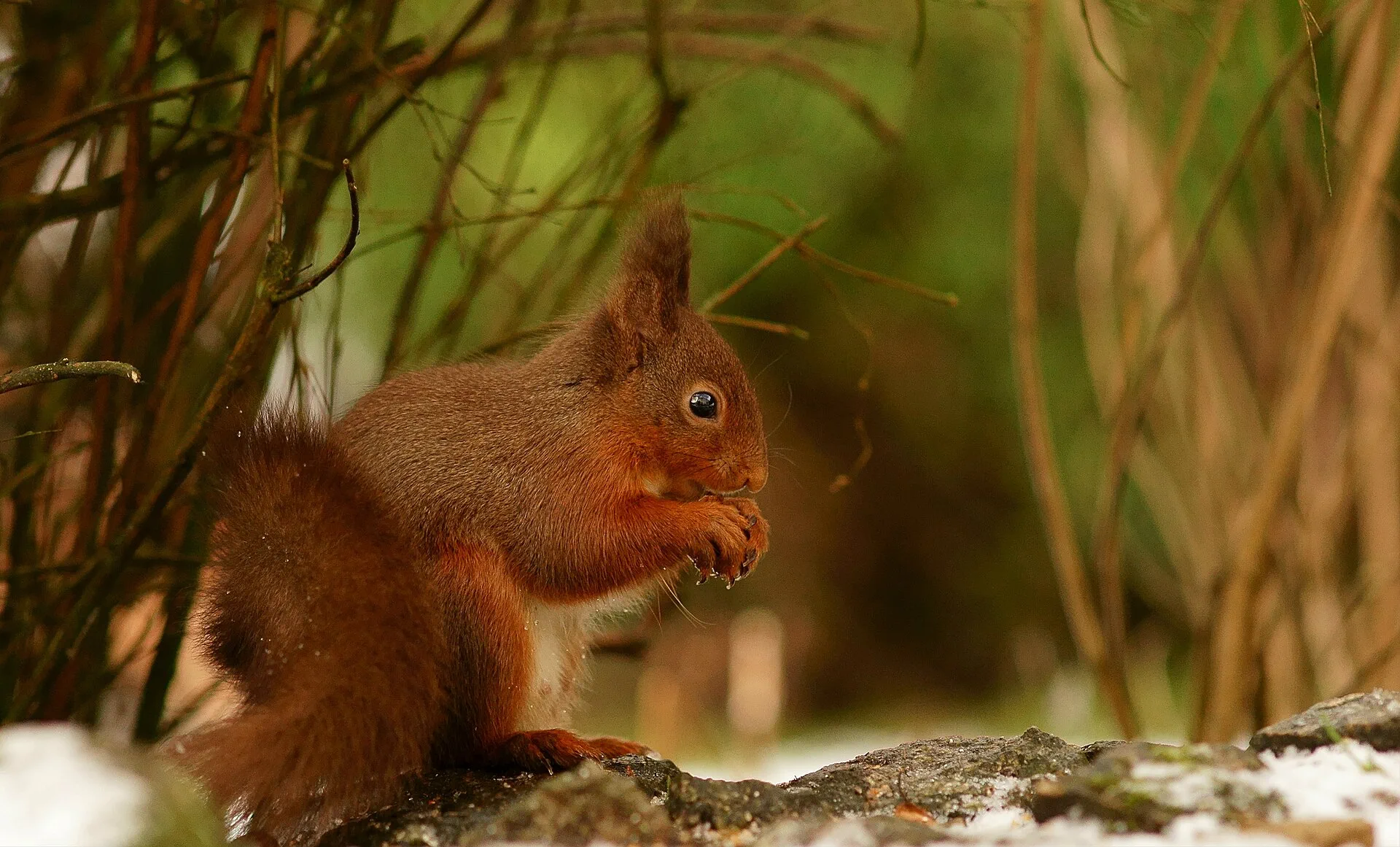
Photo by Peter Trimming from Croydon, England, CC BY 2.0, via Wikimedia Commons
Keeping squirrels out of your vegetable garden is a persistent challenge for home growers, as these agile rodents are notorious for digging up seedlings, raiding ripe fruit, and burrowing into raised beds. To effectively protect your crops, you must combine physical barriers, habitat modification, and strategic planting, as no single method guarantees total exclusion. Squirrels are driven by hunger and instinct, meaning that a multi-layered defense—starting with fencing and ending with distraction planting—is the only reliable way to preserve your harvest without resorting to harmful chemicals.
What Are the Most Effective Squirrel Deterrents for Raised Beds?
The most effective squirrel deterrents for raised beds involve using hardware cloth, installing overhead netting, and applying strong-smelling repellents. For serious infestations, a physical fence made of ¼-inch mesh hardware cloth is the gold standard. Unlike chicken wire, which squirrels can chew through, hardware cloth is durable and resistant to rodent teeth. It should be buried at least six inches into the soil to prevent burrowing and stand at least 18 to 24 inches high to deter climbing. Overhead netting is essential for fruiting crops like tomatoes and strawberries, as squirrels often drop from trees onto the plants.
When choosing fencing, look for galvanized hardware cloth with a mesh size of ¼ inch. This specific gauge is widely recognized for its ability to stop small rodents. Brands like Yard and Garden and Everbilt are commonly available at major home improvement retailers and offer rolls in various widths. Ensure the fence is secured tightly to wooden frames using staples that are long enough to penetrate the wood deeply. A loose fence is an invitation.
How Can I Protect Seedlings from Squirrel Digging?
To protect seedlings from squirrel digging, you should use individual wire cages, cloches, or immediate surface barriers like heavy mulch. Squirrels often dig up freshly sown seeds to eat them, destroying your planting efforts before the plants even sprout. For small rows, placing bird netting over the soil and securing the edges with stones or stakes prevents access. For individual plants, wire cages made of galvanized steel are highly effective.
Bird Netting is a lightweight, affordable solution for large areas. Look for netting with a mesh size of 1 inch or smaller. Brands like Bird-B-Gone offer netting specifically designed to be durable against UV light and weather. When installing, ensure the netting is taut. Slack netting allows squirrels to get tangled or push their noses through. For raised beds, consider laying a layer of coarse gravel or sharp mulch on the surface of the soil. Squirrels dislike the texture and sound of digging in these materials.
Do Commercial Squirrel Repellents Work in Vegetable Gardens?
Commercial squirrel repellents can work, but they are often short-term solutions that require frequent reapplication. Most effective repellents rely on strong odors, such as predator urine, spicy capsaicin, or garlic. These scents trigger a fear response in squirrels, making them avoid the area. However, rain washes them away, and the scent fades over time, necessitating a weekly routine.
Products like Liquid Fence and Critter Ridder are well-known options in the garden pest control category. Liquid Fence utilizes predator scents and is often sold as a granular product that you sprinkle around the garden perimeter. Critter Ridder uses a blend of capsaicin, black pepper, and garlic to deter rodents and rabbits. Always check the label to ensure the product is safe for edible crops. Some repellents are labeled for ornamental plants only. For vegetables, look for products specifically marked as food-safe. Apply repellents after watering and before the soil dries out to maximize absorption.
How Does Habitat Modification Reduce Squirrel Activity?
Habitat modification reduces squirrel activity by removing the food sources and travel routes that encourage their presence in your garden. Squirrels thrive in environments with abundant acorns, nuts, and fruit. If you have oak trees, maple trees, or fruit trees near your garden, squirrels will be drawn to your yard. Raking up fallen leaves and acorns reduces their food supply. Pruning tree branches that extend over your garden removes their “highway” to your crops.
Consider planting a “squirrel garden” away from your vegetable patch. This involves planting trees like hickory, walnut, or acorn-producing oaks in a remote corner of your property. By providing a dedicated food source, you may lure squirrels away from your vegetables. This is a long-term strategy that takes years to establish, as trees take time to mature.
Can I Use Physical Barriers on Individual Plants?
Yes, you can use physical barriers on individual plants by covering them with wire mesh, cloches, or row covers. This is particularly effective for high-value crops like corn, tomatoes, and squash. For corn, which is a favorite squirrel target, wrap each ear with wire mesh once the silk begins to develop. This prevents squirrels from stripping the kernels. For tomatoes, use tomato cages combined with netting. Standard wire tomato cages are effective, but adding a top cover made of netting protects the top fruits.
Row covers are a lightweight fabric, such as Agribon, that can be draped over plants. They protect against cold and pests. Ensure the cover is secured tightly around the base of the plant. If squirrels can get under the edges, they will damage the plants. Use ground staples to anchor the fabric. This method is ideal for leafy greens and brassicas, which squirrels may nibble on.
What Natural Deterrents Can I Use in the Garden?
Natural deterrents include planting specific herbs, using motion-activated sprinklers, and employing predator decoys. Squirrels tend to avoid strong-smelling plants like mint, rosemary, and daffodils. Planting a border of mint around your vegetable beds can create a scent barrier. Be cautious with mint, as it spreads aggressively; plant it in containers sunk into the ground to contain it.
Motion-activated sprinklers are a highly effective, non-toxic deterrent. Devices from brands like Orbit and Contech detect movement and blast water at intruders. This startles squirrels and conditions them to avoid the area. Predator decoys, such as plastic owls or snakes, can work, but squirrels often adapt to them. Move the decoys weekly to maintain the illusion of a moving predator.
How Do I Choose the Right Fence for Squirrel Control?
To choose the right fence for squirrel control, you must select materials that are chew-proof, buryable, and tall enough to deter climbing. A standard chain-link fence is ineffective because squirrels can climb it easily. Wooden picket fences are also vulnerable to chewing. The ideal fence is a hardware cloth fence attached to a wooden frame. Use 2x4s for the frame and staple the hardware cloth to the wood.
Here are key specifications for a squirrel-proof fence:
- Mesh Size: ¼ inch (6mm) maximum.
- Height: Minimum 24 inches for vegetable beds; 36+ inches for general perimeter.
- Burial Depth: 6 inches underground to stop digging.
- Material: Galvanized steel wire mesh.
If you are building a raised bed, consider a raised bed cover that fits over the top. These are often sold as kits by brands like Vego Garden and Birds and Trees. They are designed specifically for raised beds and often include a mesh top and sides. This is a convenient, all-in-one solution for beginners who want to avoid the hassle of building custom fencing.
What Steps Should I Take to Keep Squirrels Out of Vegetable Garden?
To keep squirrels out of your vegetable garden, follow these integrated steps for maximum protection:
- Install Physical Barriers: Build a hardware cloth fence around your garden beds. Bury the bottom 6 inches of mesh.
- Cover Individual Plants: Use wire cages for tomatoes and peppers. Use netting for strawberries and corn.
- Apply Repellents: Use food-safe repellents like Critter Ridder or Liquid Fence around the perimeter. Reapply after rain.
- Modify Habitat: Prune tree branches overhanging the garden. Remove acorns and nuts from the lawn.
- Use Motion Devices: Install a motion-activated sprinkler to startle intruders.
- Plant Deterrents: Add a border of mint, rosemary, or daffodils around the vegetable patch.
Consistency is key. Squirrels are persistent. You must maintain your barriers and reapply repellents regularly. If a squirrel breaches your fence, repair it immediately. A small gap can be exploited by a motivated rodent.
Frequently Asked Questions
What is the best fence material to stop squirrels? The best fence material is ¼-inch galvanized hardware cloth. It is chew-proof and durable. Chicken wire is not recommended as squirrels can chew through it. Ensure the fence is buried at least six inches underground to prevent burrowing.
Will mothballs keep squirrels out of my garden? Mothballs are not recommended for vegetable gardens. They contain naphthalene or paradichlorobenzene, which can be toxic to humans and pets. These chemicals can leach into the soil and contaminate edible crops. Use food-safe repellents like capsaicin-based products instead.
How do I stop squirrels from digging up my seeds? To stop squirrels from digging up seeds, cover the planted area with bird netting or wire mesh immediately after sowing. Secure the edges with stones. You can also sprinkle cayenne pepper or a commercial repellent on the soil surface. Planting seeds deeper than recommended can also help, as squirrels prefer to dig in shallow soil.
Are there squirrel-proof tomato cages? There is no specific “squirrel-proof” tomato cage brand, but standard galvanized steel cages are effective if modified. Add a layer of netting over the top of the cage to protect the fruit. Ensure the cage is sturdy and anchored. Squirrels are more likely to target ripe fruit than the plant itself, so top protection is crucial.
How high should squirrel fencing be? Squirrel fencing should be at least 24 inches high for vegetable beds. For general perimeter fencing, 36 inches to 6 feet is recommended. Squirrels can jump, so the fence should be smooth. Adding a baffle to the top of a fence can also prevent climbing.