Best Mulch for Your Vegetable Garden
Photo by Acabashi, CC BY-SA 4.0, via Wikimedia Commons
Photo by Acabashi, CC BY-SA 4.0, via Wikimedia Commons
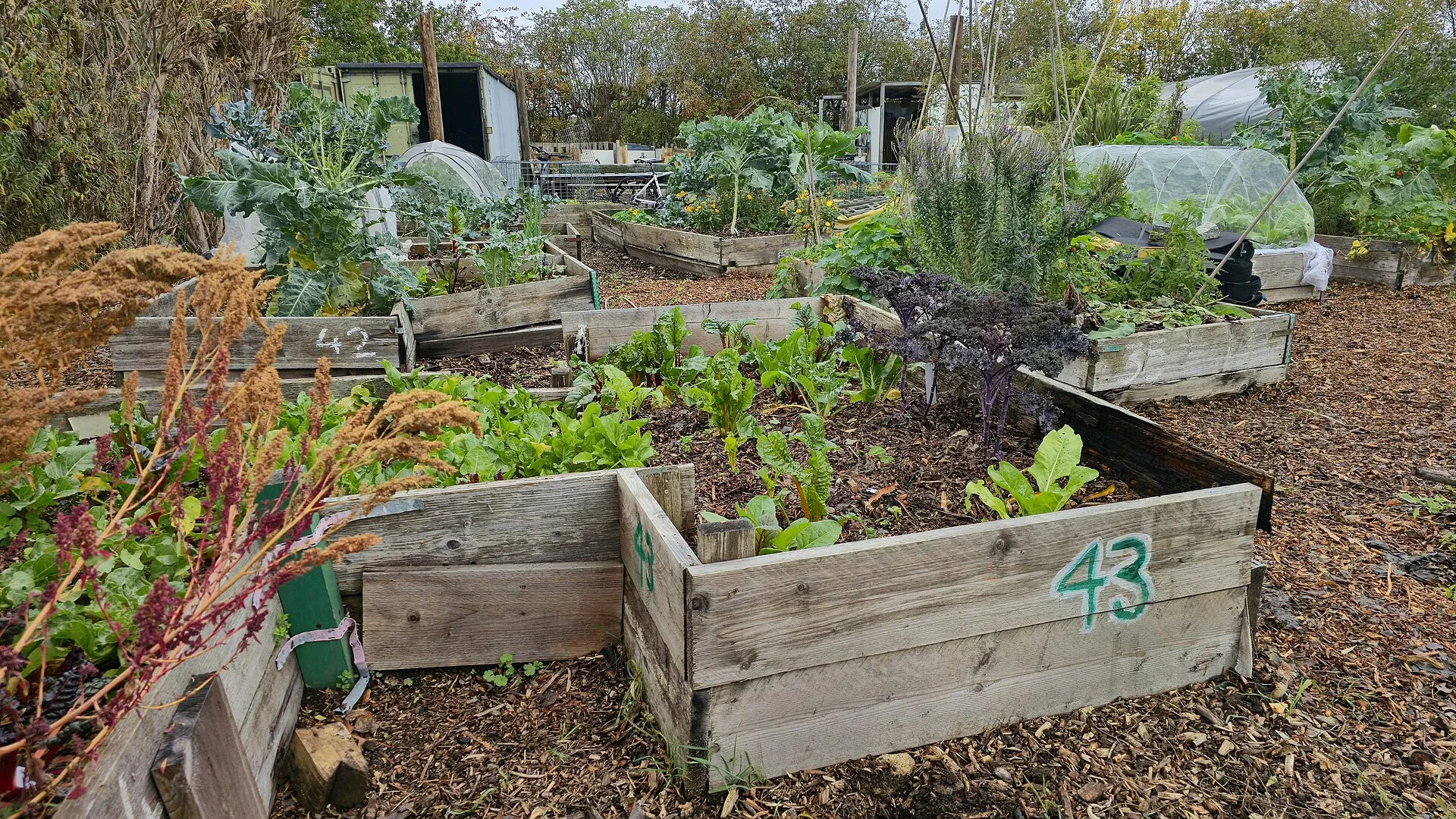
Photo by Acabashi, CC BY-SA 4.0, via Wikimedia Commons
Choosing the best mulch for a vegetable garden depends entirely on your specific growing conditions, soil type, and the crops you intend to plant. For most home gardeners, organic mulches like shredded leaves, straw, or composted wood chips are superior to inorganic options because they decompose over time, improving soil structure and fertility while suppressing weeds and retaining moisture. If you are growing heat-sensitive crops, lighter-colored organic mulches reflect sunlight, whereas darker mulches absorb heat, which is beneficial for root development in cooler climates.
Many beginners struggle to identify which material suits their plot. The primary goal of mulching is to create a barrier between the soil surface and the air. This barrier regulates soil temperature, reduces evaporation, and prevents weed seeds from germinating. While plastic mulch is effective for early-season warmth in commercial settings, organic options are generally more practical for home vegetable beds due to ease of application and soil health benefits.
How Does Organic Mulch Improve Vegetable Soil Health?
Organic mulch is not just a weed barrier; it is an active component of your garden’s ecosystem. As materials like straw, leaves, and wood chips break down, they introduce organic matter into the topsoil. This process feeds earthworms and beneficial microbes, which in turn aerate the soil and release nutrients.
For vegetable gardens, nitrogen availability is critical. Some mulches, particularly fresh wood chips, can temporarily tie up nitrogen as they decompose. This is a common concern for gardeners growing leafy greens like lettuce or kale, which are heavy nitrogen feeders. To mitigate this, you can compost the wood chips for several months before application or use them only around fruiting crops like tomatoes and peppers, which rely more on phosphorus and potassium.
Shredded hardwood leaves are an excellent, free source of mulch. They decompose relatively quickly and do not significantly deplete nitrogen. Straw, specifically hay-free straw, is ideal for strawberries and tomatoes. It keeps fruit off the soil, preventing rot and splash-back of soil-borne diseases. Pine needles are acidic and work well for blueberries and azaleas, but should be used sparingly in general vegetable beds to avoid altering soil pH excessively.
Which Inorganic Mulches Are Best for Early Season Warming?
Inorganic mulches, such as black plastic and landscape fabric, do not decompose. Their primary function is physical barrier creation. Black plastic mulch is widely used in small-scale farming to raise soil temperatures by several degrees in early spring. This allows for earlier planting of heat-loving crops like peppers, eggplants, and melons.
However, black plastic has drawbacks. It prevents water and air from penetrating the soil, which can lead to compacted, anaerobic soil if used for extended periods. It also requires precise installation and removal. Landscape fabric is a permeable alternative. It allows water and air to pass through while blocking weeds. It is durable and lasts for several seasons, making it a good choice for perennial vegetables like asparagus beds.
For home gardeners, the convenience of inorganic mulch often outweighs the soil-building benefits of organic options, especially in regions with short growing seasons. If you use plastic, ensure you cut holes for planting and water directly at the base of the plant. Drip irrigation systems work best under plastic mulch, delivering water directly to the root zone without wetting the surface, which reduces fungal diseases.
How Thick Should You Apply Mulch in Vegetable Beds?
Application depth is a critical factor in mulch effectiveness. Too little mulch fails to suppress weeds, while too much can smother plants and prevent water from reaching the roots. For most organic mulches, a depth of 2 to 4 inches is the standard recommendation.
For coarse materials like wood chips, aim for 2 to 3 inches. They break down slowly, so a thicker layer is not necessary. For finer materials like shredded leaves or straw, 3 to 4 inches is ideal. These materials settle significantly as they decompose, so starting with a thicker layer ensures continuous coverage throughout the growing season.
When applying mulch, keep it a few inches away from the stem of the plant. Mounding mulch directly against the stem can trap moisture, leading to stem rot and inviting pests like slugs and rodents. This technique is known as “volcano mulching” in tree care and should be avoided in vegetable gardens. Create a slight depression around the plant’s base to facilitate water infiltration.
What Are the Best Tools for Applying and Maintaining Mulch?
Efficient mulching requires the right tools to make the job manageable, especially in larger garden beds. A long-handled rake is essential for spreading straw and leaves evenly. A leaf rake with a wide head works well for distributing shredded leaves without tearing them up. For wood chips, a garden fork or a shovel is more effective for moving and leveling the heavier material.
A wheelbarrow is indispensable for transporting bulk mulch from storage to the garden. Look for a steel-wheelbarrow for durability if you are moving heavy materials like wood chips. For precise application around delicate seedlings, a hand trowel allows you to place mulch exactly where needed without disturbing the soil structure.
For large gardens, a broadcast spreader can save significant time. These tools are typically used for fertilizer, but they can also distribute shredded leaves evenly across a bed. Always clean the spreader thoroughly after use to prevent cross-contamination of materials.
How Do You Choose Mulch Based on Crop Type?
Different vegetables have different needs regarding soil moisture, temperature, and pest pressure. Tailoring your mulch choice to the crop can significantly improve yields.
- Tomatoes and Peppers: Use straw. It keeps fruit off the ground, reducing soil-borne diseases like anthracnose. The hollow stems of straw also provide some insulation against cool nights.
- Leafy Greens (Lettuce, Spinach): Shredded leaves are excellent. They retain moisture, which prevents leaves from bolting in heat, and they decompose quickly to provide nutrients.
- Root Vegetables (Carrots, Beets): Light-colored mulches like straw help keep the soil cool, preventing carrots from splitting. Ensure the mulch is not too heavy, as root vegetables need to be harvested frequently, and heavy mulch can make digging difficult.
- Brassicas (Broccoli, Cabbage): Composted wood chips are suitable. These crops have deep root systems and benefit from the moisture retention of wood chips. They are also less susceptible to stem rot issues.
- Squash and Cucumbers: Straw or hay. These plants grow rapidly and need consistent moisture. Mulch prevents the leaves from touching wet soil, reducing the risk of powdery mildew.
How Can You Prevent Pests in Mulched Vegetable Beds?
Mulch can inadvertently create habitats for pests. Slugs, snails, and rodents are attracted to the moisture and cover provided by mulch. To manage this, avoid using thick, undecomposed hay, which often contains weed seeds and can harbor rodents. Use straw that has been baled for animal feed, as it is typically cleaner.
To deter slugs, create a barrier of diatomaceous earth around the base of plants, keeping it dry. Slugs avoid crossing diatomaceous earth because it damages their soft bodies. For rodents, avoid piling mulch high around the stems. Keep the area under the mulch aerated by turning it periodically.
Insects like squash bugs are attracted to the undersides of leaves, not necessarily the mulch, but the moisture retention of mulch can encourage fungal growth that attracts pests. Ensure proper air circulation by spacing plants adequately and not applying mulch too close to the crown.
Where Can You Source Sustainable Mulch Materials?
Sourcing mulch sustainably reduces costs and environmental impact. Many garden centers sell wood chips, straw bales, and shredded leaves. However, free sources are often available. Check with local arborists for wood chips from tree trimming services. Many cities offer free leaf pickup programs in the fall. Collecting these leaves and storing them in dry bags provides a free, high-quality mulch for the spring.
Grass clippings are a readily available source for home gardeners. Allow clippings to dry out for a day or two before applying them. Fresh, wet grass clippings can mat together, forming a waterproof barrier that excludes air and water. Dried clippings are loose, airy, and rich in nitrogen. Apply a thin layer (1 inch) and replenish as they decompose. Avoid using clippings from lawns treated with herbicides, as these chemicals can harm vegetable plants.
Compost is an excellent mulch for established beds. It is nutrient-dense and improves soil structure. Apply a 1 to 2-inch layer of finished compost around plants. This not only suppresses weeds but also feeds the plants directly.
How Do You Maintain Mulch Throughout the Growing Season?
Mulch is not a “set it and forget it” solution. It decomposes, settles, and can be displaced by wind and rain. Check your beds weekly. If the mulch layer has thinned, add more. This ensures continuous weed suppression and moisture retention.
At the end of the growing season, do not remove all the mulch. In many climates, leaving organic mulch on beds over winter protects the soil from erosion and temperature extremes. You can plant cover crops through the existing mulch layer. In spring, gently rake the old mulch into the soil. It will have partially decomposed and will integrate easily, enriching the soil for the next season.
If you notice mold or fungal growth on the mulch, aerate it by turning it with a rake. This breaks up crusts that form on the surface. For straw, ensure it is not matting down. Fluffing the straw allows air and water to penetrate. Regular maintenance extends the life of your mulch and maximizes its benefits.
Frequently Asked Questions
Is straw better than hay for vegetable gardens? Yes, straw is significantly better than hay. Hay often contains seeds from grasses and weeds that will germinate in your garden, creating a new weed problem. Straw is the dried stalks of cereal grains, such as oats, wheat, or barley, with the grain heads removed. It is generally seed-free and decomposes at a moderate rate, making it ideal for mulching.
Can I use wood chips from my local tree service? Yes, wood chips are an excellent mulch for vegetable gardens, particularly for perennials and fruiting vegetables. They decompose slowly and provide long-lasting coverage. Ensure the chips are not from diseased trees to avoid introducing pathogens. Avoid using fresh chips directly on soil that is heavily planted with nitrogen-demanding crops unless you add extra nitrogen fertilizer.
Does mulch attract slugs and snails? Yes, mulch can attract slugs and snails because it provides moisture and hiding places during the day. To minimize this, keep mulch a few inches away from the plant stems. Use coarser mulch materials like straw, which is less hospitable to slugs than fine, moist leaves. You can also create physical barriers with copper tape or diatomaceous earth around the base of vulnerable plants.
How much mulch do I need for a 10x10 vegetable garden? For a 10x10 foot bed, you need approximately 1 to 1.5 cubic yards of mulch to achieve a 2 to 3-inch depth. You can calculate this by multiplying the area (100 square feet) by the desired depth (0.25 feet) and dividing by 27 (cubic feet in a cubic yard). This equals roughly 0.93 cubic yards, so rounding up to 1 cubic yard is safe. A standard bale of straw covers about 100 to 150 square feet at a 2-inch depth, so 1-2 bales are sufficient for this size.
Should I remove mulch before planting seeds? For direct-seeded crops like carrots, beets, and beans, you should remove the mulch from the planting area before sowing. Seeds need good soil contact to germinate, and mulch blocks light and air. Plant the seeds in bare soil, then apply a thin layer of straw over the row after the seedlings emerge. This protects the young plants while allowing them to establish. For transplants, you can cut through the existing mulch layer to plant.
Disclosure: this article may contain affiliate links.