Best Raised Bed Materials for 2026
Photo by Peter Barr, CC BY-SA 2.0, via Wikimedia Commons
Photo by Peter Barr, CC BY-SA 2.0, via Wikimedia Commons
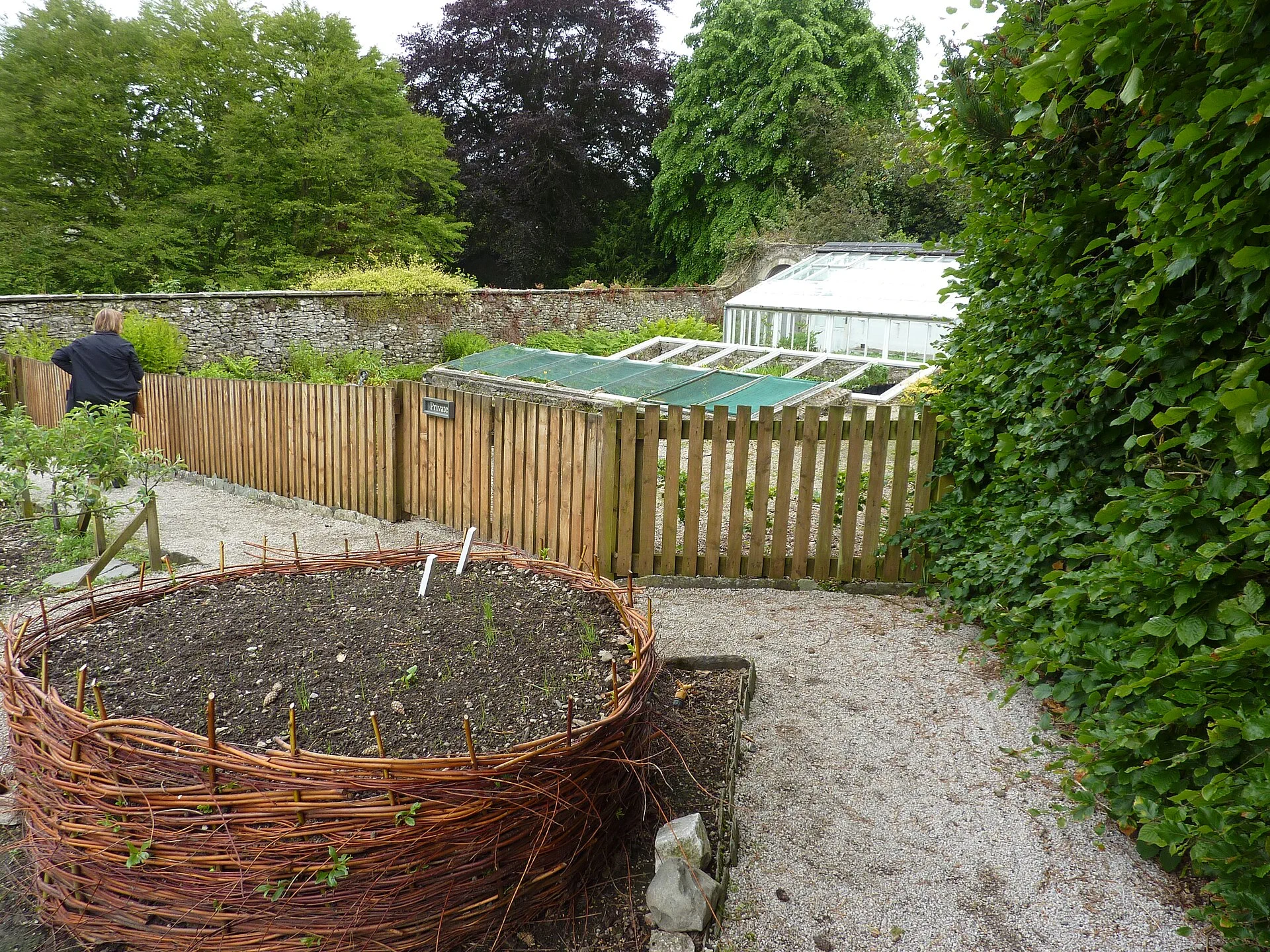
Photo by Peter Barr, CC BY-SA 2.0, via Wikimedia Commons
The short answer: for most home vegetable gardeners, the best raised bed material is either naturally rot-resistant lumber (cedar or redwood) if you want a safe, long-lived wooden bed and don’t mind paying more, or modern pressure-treated “ground contact” lumber (micronized copper azole or ACQ) if you want the cheapest bed that lasts. Extension research backs both: Oregon State University found that copper levels in soil next to pressure-treated lumber rose only within about an inch of the bed edge, with no increase in copper in the vegetables and herbs grown there, while extension guides consistently list cedar and redwood as the durable, food-safe wood options. If you want a bed that essentially never rots, galvanized steel, concrete block, brick, or stone are the alternatives — more expensive upfront and harder to resize, but they outlast wood.
There is no single “best” material. University of Georgia Extension puts it plainly: material choice depends on what’s locally available, the type of bed you’re building, and your budget (CAES Field Report). Below, the materials extension services actually recommend — cedar, redwood, cypress, pine, SPF (spruce–pine–fir), pressure-treated lumber, composite lumber, galvanized steel, concrete block, brick, and stone — compared so you can pick one for your site and how long you want the bed to last.
Disclosure: this article may contain affiliate links.
Quick comparison of raised bed materials
| Material | Cost | Lifespan in contact with soil | Food-garden safety notes |
|---|---|---|---|
| Cedar / redwood | High | Long; naturally decay-resistant | Safe for edibles; preferred by OSU Extension as a “long-lasting, safe choice” |
| Untreated pine / SPF | Low | Short — UF/IFAS notes untreated lumber “begins rotting within a year” | Safe for edibles; plan on replacing it |
| Cypress | Moderate if locally milled | Thought to outlast pine; rot resistance debated | Southeastern option; limited big-box availability |
| Pressure-treated lumber (MCA / ACQ, ground contact) | Low to moderate | Long for the price | Current formulations considered low in toxicity; ACQ ground-contact lumber approved by the FDA for food production per UF/IFAS |
| Composite / synthetic lumber | High | Not well tested in soil contact; decking studies show cracking, mold, discoloration | Recycled plastic and wood/pulp fibers; higher environmental cost than pine or cedar per UGA |
| Galvanized steel | Moderate | Long; rust-resistant | Non-biodegradable; listed by Maryland Extension as a standard option |
| Concrete block | Low, especially used | Very long | Generally safe for food gardening if intact; may raise soil pH temporarily |
| Brick / stone | Often high | Very long | Long-lasting but often expensive; dry-stacked brick is nearly impossible without mortar |
Wood options: cedar, redwood, pine, cypress, and hardwoods
Cedar and redwood are the premium picks. UGA Extension describes cedar as naturally rot- and insect-resistant, with eastern red cedar lasting for years even in direct soil contact — though it’s dense, hard to work, and hard to find in larger dimensions. Western cedar is easier to find and easier to work, but UGA notes it splits when screws are driven without pre-drilling and often costs several times Southern yellow pine. Oregon State Extension frames the same tradeoff: redwood and cedar cost more but resist decay, so they last longer (OSU raised bed gardening).
Pine and SPF (spruce–pine–fir) are the budget option. Untreated SPF is cheaper than pressure-treated lumber, but UGA notes it has almost no rot or insect resistance and a very short life in wet soil. That doesn’t make it a bad choice — it makes it a replaceable one. A cheap pine bed you rebuild every few years can total less money than a cedar bed, just more weekend labor.
Cypress is a regional Southeastern alternative. UGA reports it’s more available in Georgia than cedar, its rot resistance is disputed but it’s thought to outlast regular pine, and it’s reasonably priced when locally milled.
Hardwoods like oak are usually not worth it: UGA says they’re hard to source in large sizes, only slightly more rot-resistant than pine according to most research, expensive, and hard to work when dry. Maryland Extension does list decay-resistant woods from the USDA Forest Products Lab — black locust, Osage orange, black cherry, and bur, chestnut, post, or white oak — so a local sawmill’s rough-cut locust or oak can be a smart regional pick (Maryland Extension).
Pressure-treated lumber: what the research actually says
This is the question gardeners ask most, and the evidence is more reassuring than the old warnings suggest.
- Avoid pre-2004 CCA-treated wood. Chromated copper arsenate contained arsenic, copper, and chromium, and its residential use ended in 2004. MU Extension advises that remaining old CCA stock probably should not be used for food beds, and UF/IFAS warns that old landscape timbers and railroad ties may carry arsenic-based compounds or creosote (UF/IFAS Building Raised Beds).
- Modern MCA and ACQ treatments are different. Maryland Extension identifies micronized copper azole (MCA) as the most widely available residential pressure treatment today, considered low in toxicity. UF/IFAS notes “ACQ Ground Contact” lumber is approved by the FDA for food production.
- OSU’s multi-year study. Oregon State University tracked raised beds over four growing seasons. Soil copper rose — but only within 1 inch of the bed edge, by roughly 20–68 ppm above untreated-bed levels, with even the highest readings inside the natural copper range of Willamette Valley soils. No copper increase appeared in the vegetables and herbs grown in the beds (OSU pressure-treated wood study).
Two practical caveats. First, USDA Organic certification guidelines do not allow pressure-treated wood in contact with food plants, per UGA — certified organic growers should use cedar, metal, stone, or a liner. Second, if you use treated lumber, buy it labeled for ground contact, and paint freshly cut ends with a cut-end preservative as OSU recommends, because cutting exposes untreated wood.
If you’d rather add a barrier, Maryland Extension lists several options: coat the wood with exterior latex paint, use a semi-transparent oil-based stain, or line the inside of the frame with heavy-duty plastic — lining only the sides, or perforating the bottom, so drainage isn’t blocked.
Metal, masonry, and composite options
Galvanized steel beds (often sold as kits) are rust-resistant and non-biodegradable. Maryland Extension lists galvanized steel, permeable garden fabric or felt on a wood, aluminum, or PVC frame, and rigid recycled composite plastic alongside pavers and stone as its standard non-biodegradable options. Metal and fabric beds also suit elevated beds for accessibility, since deeper beds help gardeners who can’t bend easily — Connecticut Extension notes most annual vegetables need 12 to 18 inches of soil depth, and root crops need more (UConn Home Garden Education Office).
Concrete block is the cheapest permanent option, and UGA says used blocks are often free or nearly free. Stack no more than two levels high unless you mortar or support the wall to prevent collapse. Maryland Extension considers intact concrete blocks generally safe for food gardening — heavy metals in fly ash aggregates don’t leach easily and total metal content is small — but notes product labels give little detail and suggests sealing blocks with polymer paint if you’re uneasy. UF/IFAS adds a wrinkle: block and poured concrete can temporarily alkalinize soil, an effect that declines over time — another reason to test your soil before planting.
Brick and stone are long-lasting but often expensive, and dry-stacking is finicky: UGA says stacking brick without mortar is nearly impossible, and angular stone can sometimes be stacked while round stone can’t hold a wall without mortar. Used concrete from excavated driveways or sidewalks is a free recycled alternative when pieces are uniform in thickness.
Composite (synthetic) lumber made of recycled plastic is sold for raised beds, but treat “maintenance-free” claims skeptically here. UGA reports composite lumber typically costs three to four times common treated pine, its lifespan in direct soil contact hasn’t been thoroughly tested, and decking studies show it still cracks, discolors, molds, and degrades in light — with a higher environmental cost than pine or cedar.
Materials to avoid in a vegetable bed
- Railroad ties and utility poles. UGA is unambiguous: creosote concerns mean these should not be used for beds growing food of any kind.
- Old or unidentified treated lumber. If you can’t tell what treatment a reclaimed timber received, assume arsenic-based preservatives or creosote. UF/IFAS specifically warns against pallet lumber and recycled landscape timbers for edibles.
- Pre-2004 pressure-treated stock. Leftover CCA lumber should stay out of food gardens.
- Kits of unknown quality. UGA cautions that kits vary enormously in quality, many are cheap plastic or Western cedar priced well above DIY lumber, and buyers should be cautious about kits without full product details.
How to choose (and build) in practice
- Set your priority: lowest upfront cost (untreated pine or used concrete block), best cost-per-year (MCA/ACQ ground-contact treated lumber), or longest life with no treated wood (cedar, redwood, steel, stone).
- Size it reachably. UF/IFAS recommends beds no wider than 4 feet so you can reach the center, 6 to 24 inches deep, 18 inches or more between beds for walking, and 3 feet for wheelbarrow access.
- Prep the site. UF/IFAS suggests a spot with 6–8 hours of sun, flat ground near water; remove sod or smother it with cardboard. Maryland Extension agrees a no-dig or low-dig approach limits the weed seeds brought to the surface.
- Match material to site. Connecticut Extension notes framed beds suit compacted soil, poor drainage, contaminated sites, and accessibility needs. If your native soil is suspect, a framed bed filled with known clean soil is safer.
- Fill sensibly. Connecticut Extension suggests roughly half to two-thirds topsoil and one-third to one-half aged compost, buying bulk by the cubic yard for larger beds — and avoiding free fill dirt of unknown origin, which can carry contaminants, invasive weeds, or jumping worms. See our raised bed soil mix guide.
- Maintain what you chose. Maryland Extension lists material degradation as a built-in disadvantage of raised beds: inspect the walls and plan for repair or replacement if they start to fall apart.
FAQs
Is pressure-treated lumber safe for vegetable raised beds? Current evidence says modern residential treatments are low-risk for food gardens. OSU’s four-season study found only a small copper increase within 1 inch of the bed edge and none in harvested vegetables and herbs. Avoid pre-2004 CCA-treated wood entirely, buy lumber labeled for ground contact, and line the interior with plastic if you remain concerned.
Cedar vs. pressure-treated lumber — which should I buy? Choose cedar or redwood for untreated, naturally decay-resistant wood — or if you farm under USDA Organic rules, which bar pressure-treated wood contact with food plants. Choose MCA or ACQ ground-contact lumber for the lowest cost per year of service. Both are extension-recommended.
Are concrete blocks safe for growing food? Maryland Extension considers them generally safe as long as blocks stay intact and aren’t broken or crushed; the metal content is small and doesn’t leach easily. Seal them with polymer paint for extra assurance, and test soil pH afterward since concrete can temporarily alkalinize soil.
What’s the cheapest way to build a raised bed? Salvaged materials: used cement blocks (often free per UGA), used concrete from driveway or sidewalk demolition, or no frame at all — Maryland Extension notes you can build a raised bed as a soil mound with sloped or rounded sides.
Sources
- Raised Bed Materials — UGA CAES Field Report (Circular 1027-5)
- Growing Vegetables in Raised Beds — University of Maryland Extension
- Pressure-treated wood for raised bed construction — Oregon State University Extension (EM 9879)
- Raised bed gardening — Oregon State University Extension (FS 270)
- Building Raised Beds — UF/IFAS Gardening Solutions
- Starting Raised Beds — University of Connecticut Home Garden Education Office
- Raised-Bed Gardening — MU Extension (G6985)